
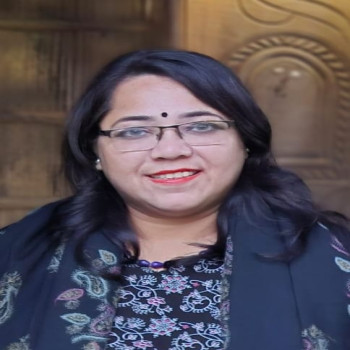
Ms. Masuma Chowdhury is a development and public health professional with over 15 years of experience in nutrition, health, gender, and community development in Bangladesh. She has worked with UN agencies including FAO and WFP, as well as national and international NGOs, managing multi-sectoral projects on maternal and child health, nutrition, food security, gender equity, reproductive health, and social protection. She has collaborated extensively with Government ministries, departments, and Local Government institutions, providing technical support, policy guidance, and capacity building to strengthen systems.
Ms. Masuma has obtained diverse specialized training including Make Me a Change Agent (SBCC, PROWASH), Project Management (PIM), Excel for Development Programs (Continuing Education Centre & HKI), Training of Trainers on Essential Nutrition Actions (HKI), GIS Applications in Public Health (Measure Evaluation), Qualitative Research Methods for Nutrition Integration (HKI & FANTA-II), and Reproductive Health Marketing (Marie Stopes). Her research and publications include work on the Impact of Climate-Related Shocks on Food Security and Nutrition in Rural Bangladesh (WFP & IDS), the Dhaka Food System Project – Nutrition Strategy (FAO & WUR), and co-authoring the Basic Nutrition Handout for frontline health workers (MOHFW). She also contributed to the Nurturing Connections gender-transformative curriculum by Helen Keller International and has engaged in numerous other sector-relevant publications.
Holding a Master degree in Food and Nutrition from the College of Home Economics, University of Dhaka and in Public Health from the Chittagong Medical College, Bangladesh Open University, Ms. Masuma is committed to advancing evidence-based, gender-sensitive, and sustainable solutions that improve nutrition and health outcomes for vulnerable communities.